
A leaking water heater is not automatically a heater at the end of its life. Plenty of leaks come from parts that are cheap and quick to replace: a relief valve that no longer seats, a plastic drain valve that has started to weep, a supply connector with a tired gasket, or a dielectric nipple rusting at the top of the tank. Some puddles are not leaks at all but condensation, especially on a newly filled tank or a gas unit starting up in muggy weather. The one leak that cannot be repaired is water seeping from the steel tank, usually through the bottom or a seam. For Altoona, PA homeowners, the difference between a small repair and a new heater is why diagnosis comes first.
Our diagnosis is methodical. We dry the area, look at the T&P valve and the end of its discharge pipe, inspect the drain valve, and follow the hot and cold lines up to the fittings on top of the tank. On gas units, we check the combustion chamber for water, which can point to condensation or, more seriously, a failing tank. If the relief valve has been discharging, we measure static water pressure and check for thermal expansion, since a closed plumbing system without an expansion tank can push pressure high enough to open the valve. After all of that do we recommend a fix.
The repair depends on the diagnosis. Valve and fitting leaks are the good news: relief valves, drain valves, dielectric nipples, and flex connectors ride on our trucks, and we can often add an expansion tank or pressure-reducing valve the same day if pressure caused the problem. A leak from the tank body is the bad news, because steel that has rusted through cannot be repaired, and we will say so rather than sell a patch. In both cases, we help limit future damage with a properly drained pan, a leak alarm or automatic shutoff, and a quick lesson on your shutoff valve. Altoona homeowners can reach us at (814) 200-8414.
Most of our service calls are for Water Heater Repair in Altoona and Water Heater Replacement in Altoona. Either is a good place to start.
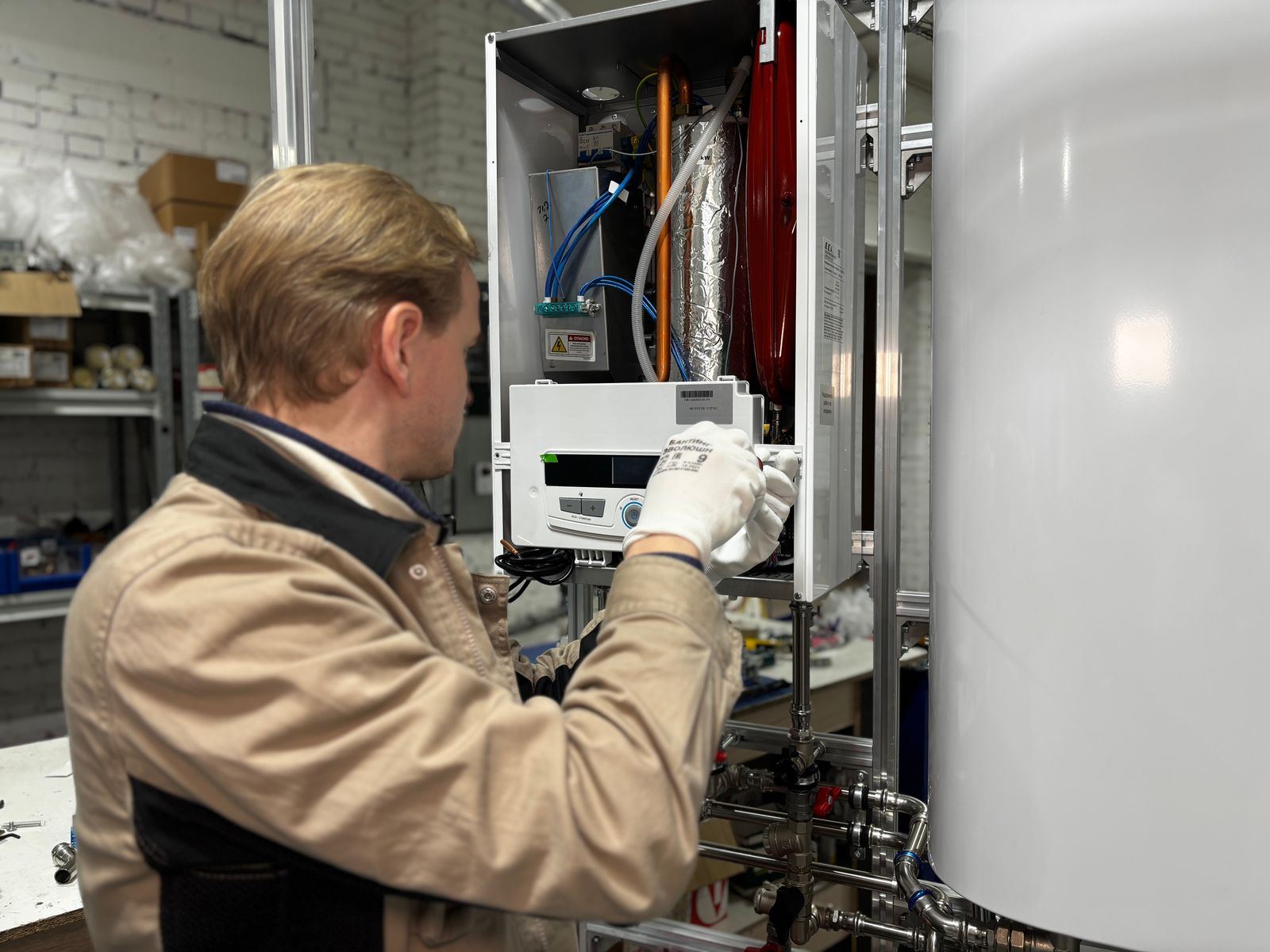
When to Call for Water Heater Leak Repair
A heater that is starting to struggle rarely hides it for long, and the clues are easy to spot once you know them. Keep an eye out for the following:
- Moisture or mineral crust at the end of the relief valve pipe
- A musty odor or soft floor around the heater location
- Higher water use with no obvious explanation
- Mineral buildup or rust around the hot and cold connections
- Dampness in the combustion area of a gas unit
- Brown hot water along with moisture around the tank bottom
- A wet floor near the water heater that keeps coming back
- A weeping drain spigot on the lower front of the heater
Small Symptoms, Big Consequences
A worn-out anode rod, a sediment-choked tank, or a weak thermocouple rarely fixes itself, and the repair usually costs more the longer it waits. At the first hint of a problem, reach out to Altoona Water Heater at (814) 200-8414 and we'll take a look.
Need Help With Water Heater Leak Repair?
One call gets a technician scheduled and a clear price before any work starts.
Get Help: (814) 200-8414Your Water Heater Leak Repair Questions Answered
Why Hire a Professional for Water Heater Leak Repair?
The hardest part of leak repair is the diagnosis. Water travels along pipes and the outer jacket before it drips, so the puddle rarely marks the source, and harmless condensation on a gas unit or a cold tank can pass for a leak. Guessing leads to replacing the wrong valve or, worse, missing a tank that is about to fail. Safety matters here too: a relief valve that is discharging is protecting the tank, and plugging it is dangerous. Brittle old fittings can snap under force, and water around a 240-volt electric heater is a real shock hazard.
With a trained eye, the answer usually comes quickly. We isolate each possible source in turn, confirm it with fresh water on a dried surface, and measure static pressure so a new valve does not start dripping next week. Worn relief valves, weeping drain valves, and corroded connections are swapped the same visit, and pressure problems get a permanent fix, whether that is an expansion tank or a pressure-reducing valve. A rusted-through tank gets an honest replacement recommendation rather than a patch, and we can add a piped drain pan and a leak sensor to protect your home going forward.
Our Water Heater Leak Repair Process
We work through a clear, repeatable process so you always know what's happening and what it will cost. Here's exactly how a typical visit unfolds:
Stop & Protect
First the water gets stopped. We confirm the supply valve is closed, the heater is off, and the area is dry enough to work safely.
Trace the Source
Every likely source gets checked: T&P valve, drain valve, inlet and outlet fittings, connectors, condensation, and the tank itself. No part is swapped until the source is confirmed.
Check Pressure & Expansion
We gauge household water pressure and look at expansion control, because a closed system without room to expand spikes pressure every heating cycle.
Lasting Repair
We replace the failed part, refill and purge the tank, restart the heater, and confirm every joint stays dry. A leaking tank gets an honest replacement recommendation instead.
Repair or Replace? Let's Figure It Out.
Call Altoona Water Heater to talk through your situation with an experienced technician.
Call (814) 200-8414 NowHow to Prevent Water Heater Problems
Most of the failures we see could have been delayed for years with basic upkeep. Follow these tips from our technicians:
- Install a drain pan piped to a safe spot, which matters most for attic, closet, and upstairs heaters
- Make a habit of checking around the heater for moisture or corrosion every few weeks
- Have the anode rod checked every few years; once it is used up, the tank starts to corrode
- Flush the tank once a year so sediment does not overheat the bottom and speed corrosion
- High street pressure is hard on water heaters, so a pressure test and regulator can prevent repeat drips
- Make sure a closed plumbing system has a working expansion tank to absorb heated water
- Add a floor sensor or an automatic shutoff valve that closes the supply when it detects water
Should You DIY or Call a Pro?
Relighting a pilot by following the label is one thing. Diagnosing a gas valve, a burned-out element, a dirty flame sensor, or a tankless error code calls for meters and know-how that a pro brings. A side-by-side look:
| Factor | Doing It Yourself | Professional Service |
|---|---|---|
| Finding the Source | Fix the part nearest the puddle | Surfaces dried and each source confirmed |
| T&P Valve | Valve capped to stop the drip, a serious hazard | Pressure and expansion tested, valve replaced properly |
| Old Fittings | Tightened until the fitting cracks | Proper fittings installed and tested |
| Condensation vs Leak | Condensation mistaken for tank failure | False leaks ruled out with testing |
| Protecting the Home | Damage prevention skipped | Shutoff labeled and leak alarms suggested |
| Result | Source unconfirmed | Confirmed dry repair or honest replacement advice |
Book a Visit Today
Every day a leak or a failing part goes unchecked puts more stress on the tank. Get Altoona Water Heater on the job today.
Call (814) 200-8414 NowAreas We Serve for Water Heater Leak Repair
Our service area reaches well past the city limits. Choose your community for local details.