
Many of the installation calls we get in Altoona, PA are not replacements at all. A family adds a bathroom and needs more capacity. A homeowner wants the heater out of a hall closet and into the garage or basement. A remodel needs a second heater on the far side of the house, or a move to all-electric swaps a gas unit for a heat pump model. Every one of them involves new work: gas lines that must be sized for the load, vents that must be routed and pitched correctly, circuits that must match the heater, and water lines that must be run cleanly. Altoona Water Heater works all of that out before the installation starts.
Sizing and placement shape most of the outcome. For a tank, the first-hour rating is the number we compare against your household's busiest hour; for a tankless unit, we size by flow rate and winter temperature rise. Then comes placement. Gas heaters need a proper vent route and combustion air, heat pump heaters need open space and a condensate drain, and whole-house electric tankless units often need a large dedicated circuit and the panel capacity to match. Put a heater above a finished ceiling and it needs a drain pan; put a gas unit in a garage and code may require a raised platform. We explain the trade-offs plainly and without pressure.
The final stretch is where a careful installer and a fast one part ways. Every gas joint is leak-tested, vent pitch and clearances follow the manufacturer's spec, the circuit and breaker match the heater, and dielectric fittings separate copper from steel. The relief valve discharge line runs full size to where it belongs, and expansion tanks, drain pans, and seismic straps are installed when code requires them, with the permit handled when needed. Then the heater is filled, purged, and fired, draft and carbon monoxide are checked, and the temperature is set near 120 degrees. Call (814) 200-8414 to book an assessment for your Altoona home.
Replacing a heater that failed? See Water Heater Replacement in Altoona.
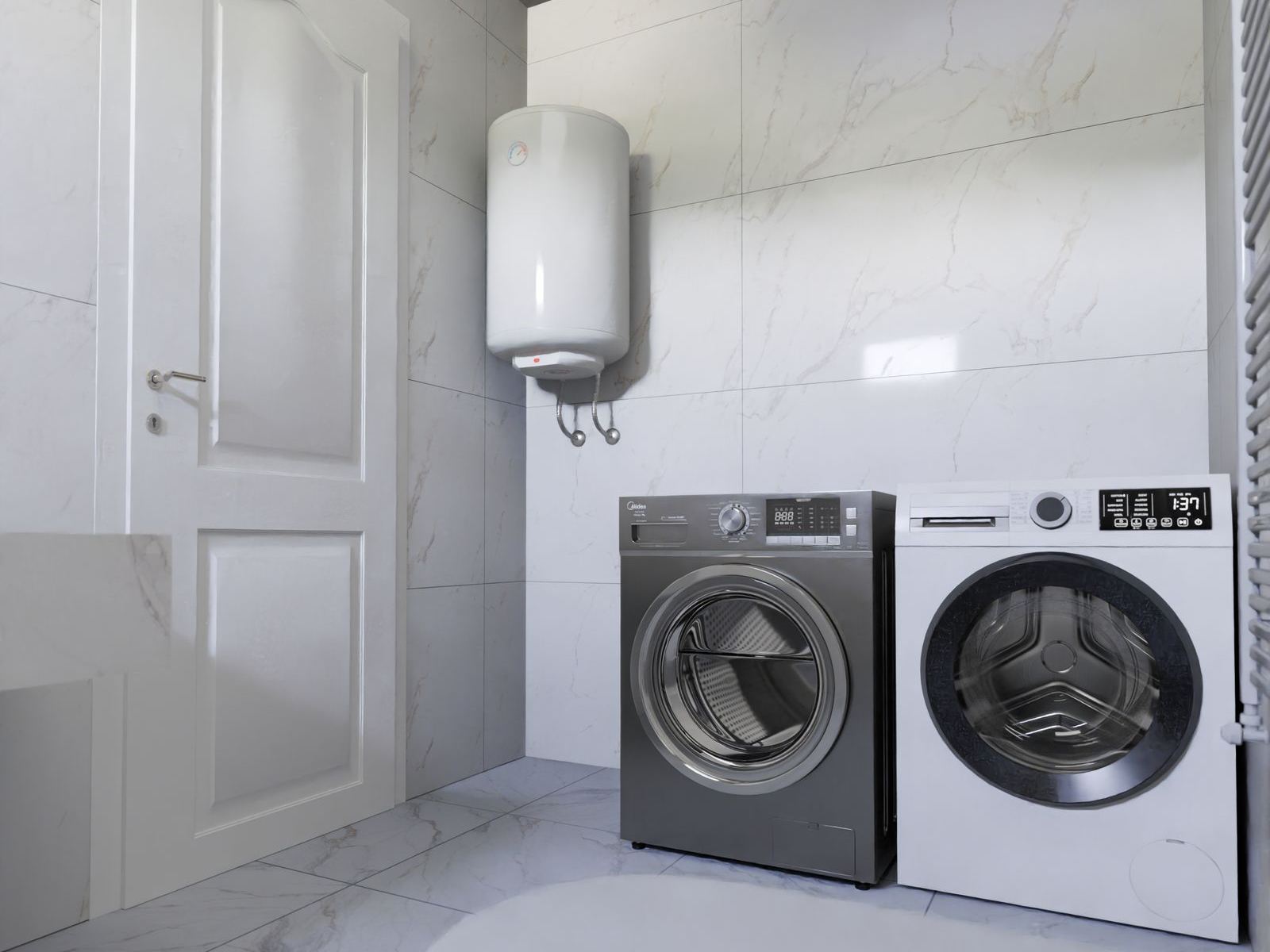
How Much Does Water Heater Installation Cost in Altoona?
A typical water heater installation in Altoona costs $1,100 to $5,500, parts and labor included. What you pay depends first on the unit you choose, then on how much gas, venting, electrical, and plumbing work the spot needs. We look at the space first and give you an upfront price before any work begins.
| Installation | Typical cost | What it usually means |
|---|---|---|
| Standard tank, same locationGas or electric tank hooked up where the old one stood | $1,100–$2,800 | Gas or electric tank hooked up where the old one stood |
| Tankless water heaterOften needs a larger gas line and new venting | $2,800–$5,500 | Sized by flow rate; gas line and venting drive the price |
| Heat pump (hybrid) water heaterNeeds open air, a condensate drain, and a 240V circuit | $2,800–$5,000 | Before any rebates; the space matters as much as the unit |
| Relocating the water heaterMoving it out of a closet, attic, or living area | $500–$1,500 added | New water, gas, or power runs to the new spot |
| New gas line or ventingNeeded when the fuel demand or vent type changes | $300–$1,200 | Needed when the fuel demand or vent type changes |
| Dedicated 240V circuitElectric tanks, electric tankless, and heat pump units | $300–$1,000 | Depends on panel space and the length of the wire run |
| Expansion tank, drain pan, strapsCode items many areas require on new installs | $150–$500 | Protects against pressure spikes, leaks, and movement |
Typical installed ranges. Your exact price is quoted after we see the space, venting and hookups.
Factors That Change the Price
- The type and size of heater you choose
- How much gas, venting, or electrical work the new heater requires
- Moving the heater to a new location versus installing in the same spot
- Local permit fees and required safety items like expansion tanks and pans
Planning ahead lets you pick the right unit instead of whatever is on the truck the day the old one fails. For an exact number on your home, call (814) 200-8414.
Warning Signs to Watch For
Recognizing the warning signs early can save you money and keep a slow drip from turning into a flooded utility room. If any of the following sound familiar, it's worth having the unit checked:
- Remodel plans that add fixtures or a second bathroom
- Long waits for hot water at faucets far from the heater
- Morning showers that run cold for the last person
- A new jetted tub that outpaces the heater's capacity
- A tank in a tight spot that is hard to service or replace
- A property where the water heater has to go in from scratch
- A planned switch from gas to electric, or to a heat pump model
- An older install without an expansion tank, pan, or straps where required
A Slow Leak Never Stays Slow
Most water heater failures start small: a popping sound from sediment, a damp spot under the drain valve, or a shower that goes lukewarm a few minutes sooner each week. Don't wait. Get Altoona Water Heater on the phone at (814) 200-8414 and we'll get a technician scheduled.
Water Heater Installation FAQ
Why This Job Calls for a Pro
A new water heater installation is really several trades in one job. Gas piping has to be sized for the heater's input and every other appliance on the line, then pressure-tested and leak-free. Venting has to follow the manufacturer's rules for diameter, length, pitch, and clearance to combustibles, or carbon monoxide can spill back into the house. Electric and heat pump units need a circuit, breaker, and wire gauge matched to their load, and whole-house electric tankless units can draw more current than many panels have to spare. On the water side, there is more: shutoffs, dielectric transitions, a correctly rated relief valve with a full-size discharge line, and code items like expansion tanks, drain pans, and seismic straps that differ from place to place.
What you get from a pro is an installation that is done once. Our technicians plan the gas line, vent, and circuit before the first cut, take care of the permit when your jurisdiction requires one, and install the relief valve discharge and code items correctly. Every joint is tested, every gas install is checked for draft and carbon monoxide, and the temperature is set to protect against scalding. Hurried installs leave behind undersized gas lines, poor vent pitch, and missing expansion tanks. Ours are built to pass inspection and to last. And if the simpler option is the right one for your home, we say so plainly.
What to Expect From Our Team
Good water heater work comes down to a consistent routine, and ours starts with a real diagnosis instead of a guess. Here's a look at each step our team takes:
Site Assessment
We size the heater to your household, pick the best location with you, and check gas supply, vent routes, electrical capacity, and code requirements.
Clear Plan & Price
You receive a written plan covering the heater, the piping, venting, and electrical work, and any code items, plus one firm price.
Clean Installation
We run the gas, water, vent, and electrical connections, set the heater, and add expansion tanks, drain pans, or straps where code calls for them.
First Firing & Checks
Nothing is assumed. After a full heating cycle and a round of leak, draft, and combustion checks, we show you the shutoffs, the relief valve, and how to care for the new heater.
Water Heater Care Tips From Our Technicians
Most of the failures we see could have been delayed for years with basic upkeep. Start with these practical measures our team relies on:
- Tankless heaters need a yearly flush to clear scale from the heat exchanger
- Keep the temperature around 120 degrees; hotter settings raise the risk of scalding
- Check the drain pan and relief valve discharge line now and then for signs of water
- Store paint, gasoline, and solvents far from any gas water heater
- Start a flushing routine early, before sediment has a chance to harden
- Leave working space around the heater, and never stack storage against it
- Schedule regular maintenance, including an anode rod check
Doing It Yourself vs. Hiring a Technician
Online videos may help in a pinch, yet lasting repairs and code-compliant installs depend on correct venting, proper relief valve discharge piping, and a trained technician. Consider the following comparison:
| Consideration | DIY Attempt | Professional Service |
|---|---|---|
| Capacity | Bought off the shelf by size | First-hour rating or GPM matched |
| Gas Supply | Line size assumed, not calculated | Sized for every appliance on the line |
| Exhaust | Wrong pitch, length, or clearances | Routed to the manufacturer's spec |
| Wiring | Circuit reused without checking | Circuit matched to the heater's load |
| Code & Permits | Pan, straps, and expansion tank skipped | Ready for inspection |
| Result | Works until the inspector looks | Leak-free and vented right |
Book a Visit Today
The sooner you call, the sooner the hot water is back. Reach Altoona Water Heater for fast service.
Tap to Call (814) 200-8414Where We Provide Water Heater Installation
Wherever you are in the area, the same experienced team shows up with the same parts and the same pricing. Find your community below.